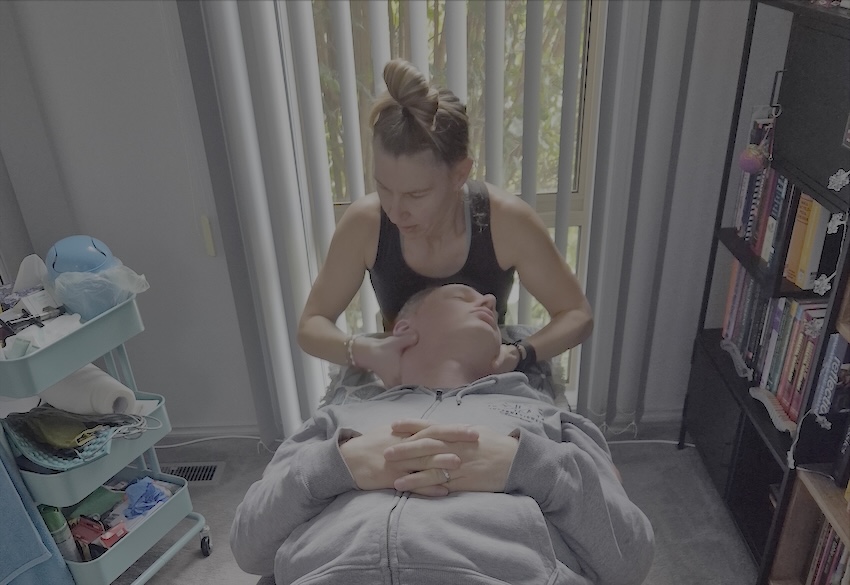
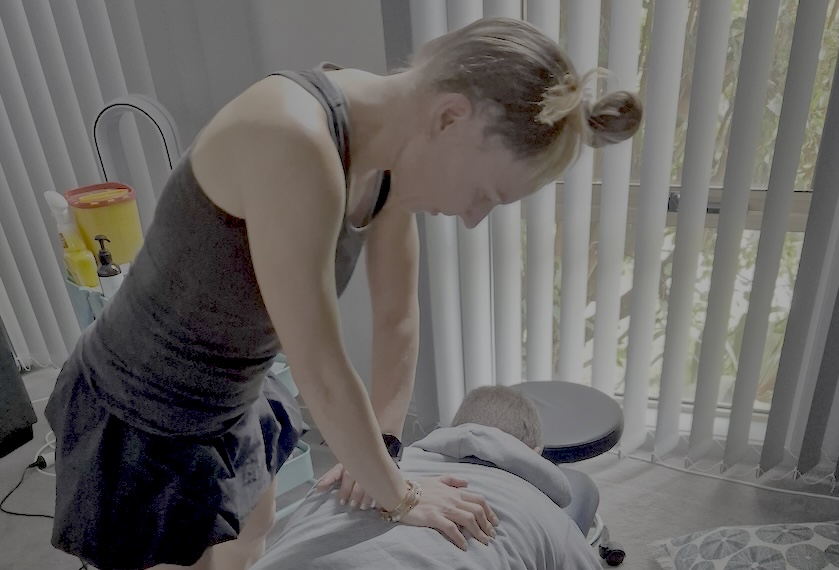
Chiropractic is a licensed healthcare profession, with Dr. Jackie being registered with AHPRA (Australian Health Practitioner Regulation Agency), and a member of CA (Chiropractic Australia). Chiropractic focuses on the diagnosis, treatment, and prevention of biomechanical disorders of the neuromusculoskeletal system, and its foundational principle is that proper alignment of the body’s neuromusculoskeletal system, enables the body to heal itself.
Chiropractic is a form of manual therapy used to restore mobility, alleviate pain, and support overall physical function. It is considered a conservative and/or complementary approach for many physical conditions of the body, including headaches, neck pain, back pain, and other joint issues. Common treatments include spinal and/or other joint manipulation, and soft tissue therapy, along with exercise programming and lifestyle counselling to support the recovery of the individual. Alongside these skills, Dr. Jackie also utilises her other skill sets from her ongoing learning, to achieve the best outcomes for those in her care.
Dry Needling is a therapeutic technique used by trained healthcare professionals to treat muscular pain and dysfunction. It is considered an ‘invasive’ technique as it involves the insertion of a thin solid (filiform) needle into the area/s of concern, mainly myofascial trigger points (tight bands of skeletal muscle that can refer pain elsewhere when active, or be tender to the touch if latent), or areas of tension in a muscle.
The insertion of the needle often elicits a local ‘twitch’ response, which is thought to help decompress the area and relax the muscle, however, there is no ‘injecting of substances’ into anything, hence the reason it’s called ‘Dry Needling’.
For those familiar with acupuncture, the needles used are the same, only varying in sizing, depending on the practitioner’s choice and/or the area/s being treated.
Dry Needling is commonly used for treating muscular conditions such as tennis/golfer’s elbow, compartment syndromes of the lower limbs, headaches, neck/back pain and shoulder dysfunctions, and other musculoskeletal disorders that result in increased tension in the muscles.
Although it’s considered generally safe, when performed by a trained practitioner, some temporary side effects may include soreness, minor bleeding or bruising.